Tips
What makes a good password?
Show Answer
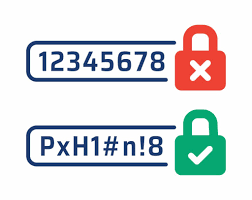
Safe passwords at their core are passwords that cannot realistically be predicted. Creating a long password (~16 characters long) with an assortment of letters, numbers, and symbols. One example is cXmnZK65rf*DaaD&. Every added character in a password exponentially increases the number of combinations, requiring much more time for outside parties to figure out what your password is. For example, a 1 character password of just lowercase letters has 26 combinations, or the alphabet, while a 16 character password including characters, numbers, and symbols has about 10^19 trillion different combinations, and nobody has enough time to go through that many combinations.
Where should I save my passwords?
Show Answer
In terms of password managers, it may be wise to not store all your critical passwords within well-known password managers such as Google’s, because any and all companies are and have been subject to security breaches in the past, and there’s no guarantee that they won’t keep happening. One tip could be to instead keep them stored locally on your devices (like on a file on your computer). While that can come with its own risks, they’re less risky than trusting another company on the web to hold onto them.
How else can I protect my data online?
Show Answer
Keeping data private is incredibly important in today's world. There are many ways to ensure data security that go beyond just using good passwords or downloading antivirus software. For instance, you can click on the lock icon of a website’s URL to make sure that it employs SSL encryption and also make sure that the URL starts with “https” instead of “http.” You can also set stricter privacy settings on accounts for online networks and turn off services when not in use. Other things, such as enabling multifactor or two-step authentication, are also reliable ways to ensure data privacy.